
Wildfires in Washington 2022: When Seattle’s Air Turned Unhealthy
- Nov 5, 2025
- 2 min read
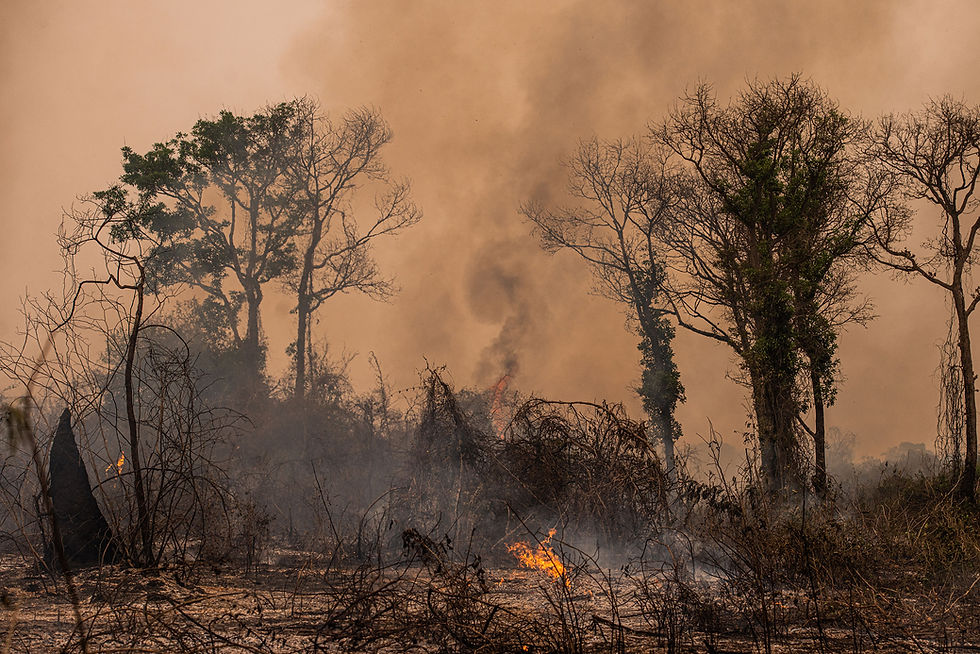
I can’t believe homecoming season has already passed, my last one as a senior. I thought back about my freshman year homecoming in 2022. That year, wildfires across Washington made the air so unhealthy that our homecoming football game was delayed. The sky was hazy, and the air smelled like smoke. I remember feeling anxious since I knew that the air we were breathing was very harmful. This made me want to dive deeper into how wildfire smoke affects our health.
In 2022, there were several wildfires in Washington. According to the Department of Natural Resources, over 140,000 acres burned across Washington. Although Seattle didn’t have any wildfires, it was heavily impacted by fires in other parts of the state. Fires like the Bolt Creek Fire near Skykomish and the Goat Rocks Fire in southwest Washington sent thick smoke to the Puget Sound Area. In mid-October, Seattle’s air quality was one of the worst in the world, with its Air Quality Index reaching over 240, which is defined as “very unhealthy” for all groups of people.
The wildfires were partly fueled by drier and hotter conditions. In 2022, Seattle experienced one of its driest summers on record. The dry conditions lead to fires spreading more easily. As climate change warms our earth and reduces rainfall, wildfires are becoming more common even in traditionally mild Washington.
Wildfire smoke is very dangerous to our health. It contains small particles called PM2.5, which can travel deep into our lungs and even enter our bloodstreams. PM2.5 can harm our respiratory health by aggravating asthma and causing lung diseases and irritation in the eyes and throat. During the 2022 wildfire season, there were increased hospital visits for respiratory issues.
Smoke does not affect people equally. Some groups of people, such as children, the elderly, and people with pre-existing conditions, are more vulnerable, so they should pay extra attention to protecting their health. People who work outdoors should also be more careful since they are more exposed to the smoke. Long-term exposure can increase the risk of chronic heart and lung problems like lung cancer.
Wildfires do not just damage forests; they damage our health too. We can protect our health by staying informed and using air purifiers. Beyond that, addressing climate change is crucial. As wildfires become more common, reducing pollution by taking action, such as supporting clean energy and conserving resources, helps reduce the risk of wildfires and protect our earth and communities.
Sources


Comments